Float Spa Oakland: Sensory Chamber vs. Float Tank – What’s the Difference?
While they may sound different, they refer to the same core experience: floating effortlessly in warm, magnesium-rich saltwater inside a private, low-stimulation environment designed for deep relaxation.
However, the terminology highlights slightly different aspects of the experience.
What Is a Float Tank?
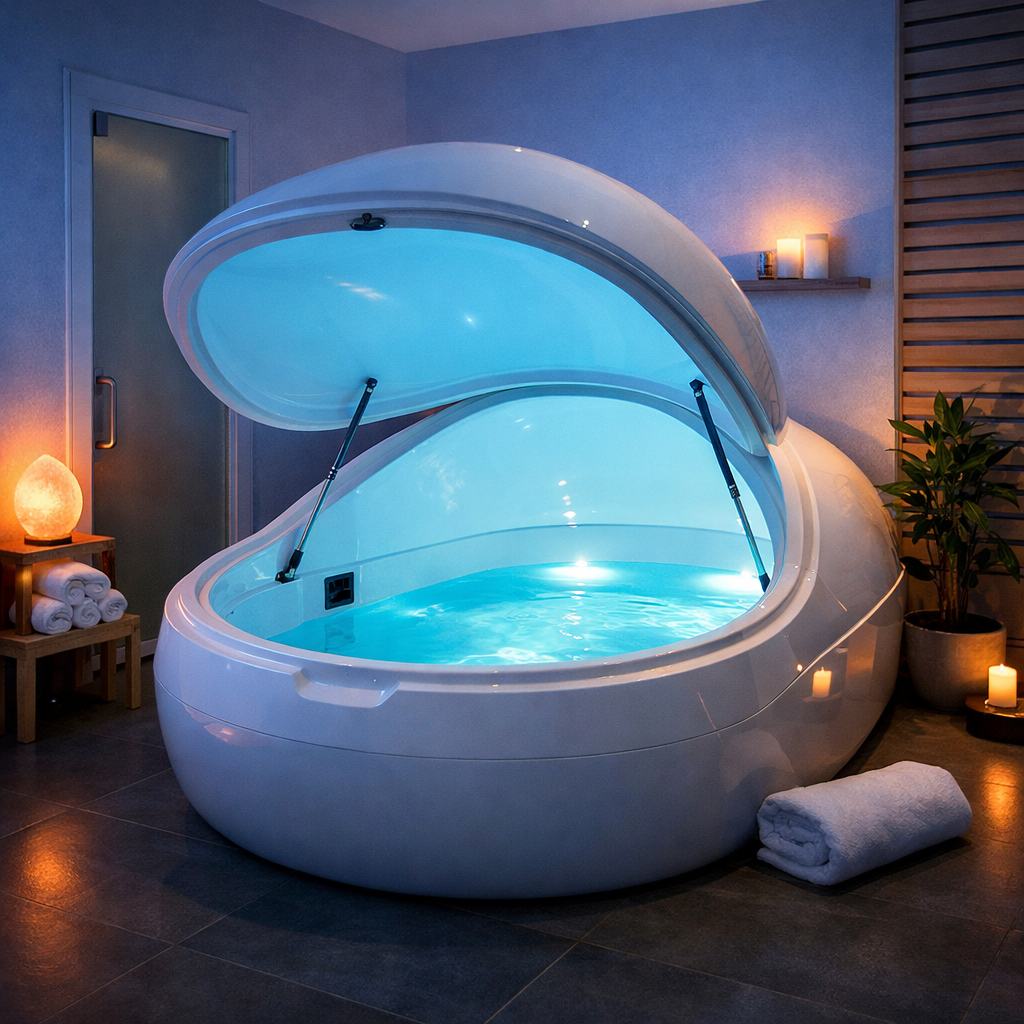
A float tank is the traditional term for flotation therapy equipment. It typically consists of an enclosed pod filled with approximately 10 inches of water saturated with Epsom salt. The high salt concentration allows your body to float naturally, removing pressure from joints, muscles, and the spine.
The term “tank” emphasizes the physical structure — a contained environment engineered for sensory reduction.
Modern float tanks in Oakland are:
- Temperature-controlled to skin-neutral warmth (93–95°F)
- Sound-reduced
- Light-controlled or fully dark
- Professionally filtered between sessions
The goal is simple: eliminate gravity and external distractions to allow the nervous system to reset.
What Is a Sensory Chamber?
A sensory chamber focuses more on the experience rather than the equipment itself.
Instead of emphasizing the “tank,” the term highlights what’s happening inside:
- Reduced visual input
- Reduced auditory input
- Reduced tactile stimulation
- Reduced gravitational pressure
Many modern Oakland float spas prefer the term sensory chamber because today’s float rooms are often larger, more open, and designed to feel luxurious rather than enclosed.
Some sensory chambers allow you to:
- Stand fully upright
- Leave the door slightly open if preferred
- Adjust lighting
- Play soft ambient music at the beginning or end
The word “chamber” communicates calmness and spaciousness — not confinement.
Are They Actually Different?
From a functional standpoint, no. Both float tanks and sensory chambers provide:
- Warm saltwater flotation
- Sensory reduction
- Deep nervous system relaxation
- A private float experience
The difference is primarily branding and design evolution.
Think of it this way:
- “Float tank” = the traditional term
- “Sensory chamber” = the modern, upgraded version
Addressing Claustrophobia Concerns
One reason Oakland residents search for “sensory chamber” instead of “float tank” is concern about feeling enclosed.
Modern float rooms are specifically designed to avoid that issue. They are:
- Spacious and well-ventilated
- Easy to open at any time
- Quiet but not sealed
- Customizable to your comfort level
You are always in control. You can sit up, turn on a light, or end the session whenever you choose.
Most first-time floaters are surprised by how comfortable and open it feels.
Why It Matters for Oakland Clients
Oakland professionals, creatives, and athletes often look for natural stress relief, nervous system reset, and deep mental clarity.
Whether you call it a float tank or a sensory chamber, the purpose is the same: to give your brain and body a complete break from stimulation.
In a fast-paced Bay Area environment filled with constant noise, screens, and stress, that reset can be powerful.
The Bottom Line
There is no functional difference between a sensory chamber and a float tank — both deliver the same therapeutic float experience.
The real difference lies in modern design. Today’s Oakland float rooms are open, calming, and intentionally built to feel welcoming — not claustrophobic.
 Peter Vu


Recent Comments